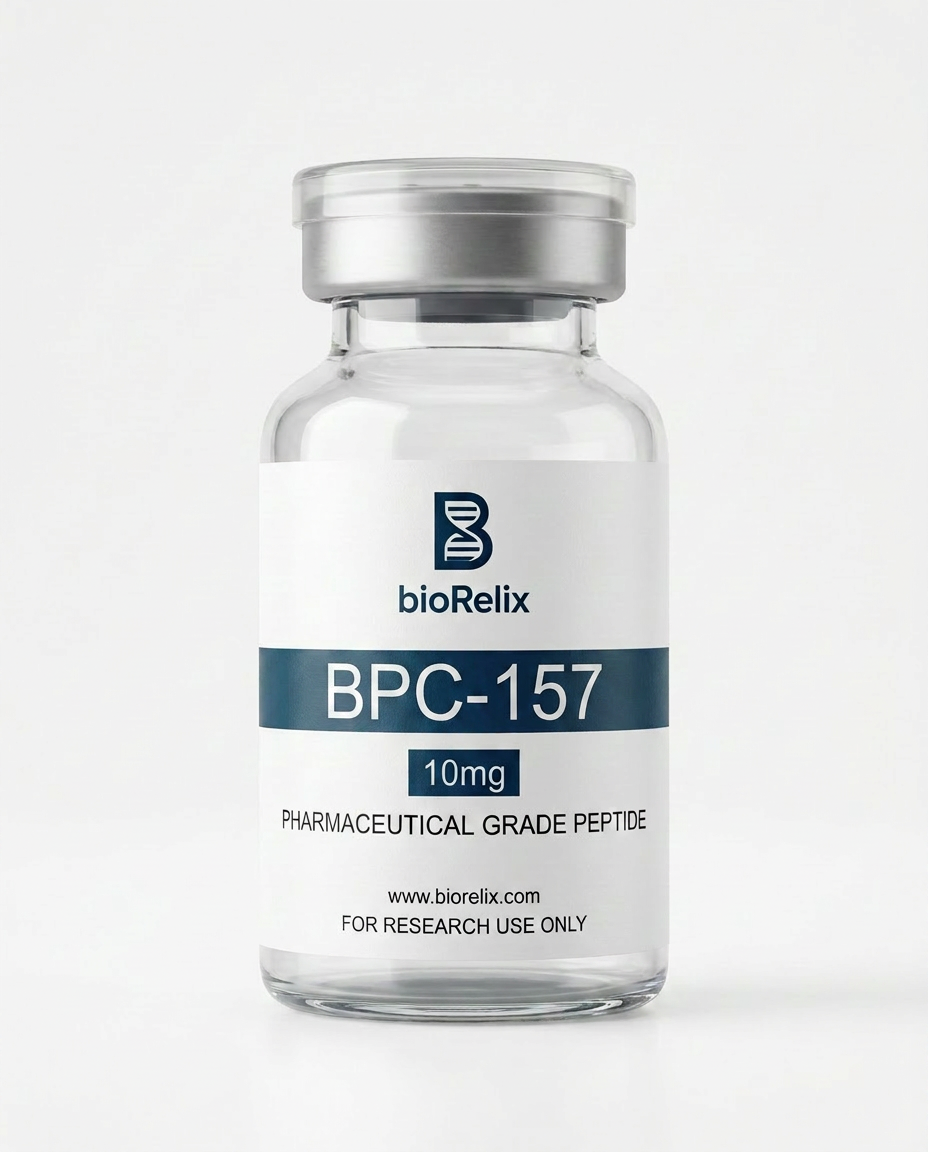
BPC-157 Reconstitution: Step-by-Step Tutorial
BPC-157 (Body Protection Compound 157) arrives as a lyophilized powder that must be reconstituted with bacteriostatic water before injection. This guide provides exact measurements and sterile technique for safe preparation. All of our peptides in Bali ship as sealed lyophilised vials, so the same steps apply.
What You Need
Supplies Checklist:
- BPC-157 vial (10mg lyophilized powder)
- Bacteriostatic water (2ml, included with BioRelix orders)
- Insulin syringes (1ml, 31G, included)
- Alcohol swabs (included)
- Clean workspace surface
- Refrigerator for storage (2-8°C)
Preparing Your Workspace
BPC-157 is not sterile after reconstitution—bacteriostatic water prevents bacterial growth but does not kill existing contaminants. Proper technique is essential:
- Clean surface: Wipe workspace with 70% isopropyl alcohol
- Wash hands: Soap and water for 20 seconds
- Lay out supplies: Peptide vial, bacteriostatic water, syringe, alcohol swabs
- Remove flip caps: Take off colored caps from both vials (peptide + water)
Step-by-Step Reconstitution
-
Swab the rubber stoppers
Wipe the rubber stopper on both vials (BPC-157 + bacteriostatic water) with an alcohol swab. Let air dry for 5-10 seconds.
-
Draw bacteriostatic water
Insert syringe needle into the bacteriostatic water vial. Draw 2ml of water (entire contents of BioRelix water vial).
-
Inject water into peptide vial
Insert needle into BPC-157 vial at a 45° angle. Aim the water stream at the glass wall, NOT directly at the powder. Slowly inject all 2ml.
Critical: Do NOT shake the vial. Shaking can denature the peptide. Let the water run down the glass wall and gently dissolve the powder.
-
Let it dissolve
Place vial in refrigerator for 5-10 minutes. The powder will fully dissolve without shaking. Gently swirl (do not shake) if any particles remain.
-
Verify clarity
Reconstituted BPC-157 should be clear and colorless. If cloudy, discolored, or contains floating particles, do not use.
-
Label the vial
Write the reconstitution date on the vial. Use within 28 days.
Dosage Calculator
A 10mg BPC-157 vial + 2ml bacteriostatic water = 5mg/ml concentration
| Dose |
Volume to Draw |
Insulin Syringe Units |
| 250 mcg (0.25mg) |
0.05ml |
5 units |
| 500 mcg (0.5mg) |
0.1ml |
10 units |
| 750 mcg (0.75mg) |
0.15ml |
15 units |
| 1mg |
0.2ml |
20 units |
| 2mg |
0.4ml |
40 units |
Typical protocol: 250-500mcg twice daily (morning + evening), subcutaneous injection
Injection Technique (Subcutaneous)
- Choose injection site: Abdomen (2 inches from navel), thigh, or back of arm
- Swab site: Clean with alcohol swab, let dry
- Pinch skin: Create a fold of skin and fat
- Insert needle: 90° angle (straight in) or 45° if very lean
- Inject slowly: Push plunger steadily over 3-5 seconds
- Withdraw needle: Pull straight out, apply light pressure with alcohol swab
Rotate injection sites to prevent lipohypertrophy (tissue buildup). Use a different spot each injection.
Storage After Reconstitution
- Temperature: 2-8°C (refrigerator door or main shelf)
- Light: Keep in original vial (amber glass blocks light degradation)
- Duration: Use within 28 days of reconstitution
- Travel: Use cooler bag with ice pack if moving between locations
For Bali-specific storage tips (humidity, power cuts), see our Tropical Climate Storage Guide.
Common Mistakes to Avoid
| Mistake |
Why It Matters |
Solution |
| Shaking the vial |
Can denature peptide bonds |
Gently swirl or let dissolve naturally |
| Injecting water directly onto powder |
Creates foam, harder to dissolve |
Aim at glass wall, let water run down |
| Using tap water |
Bacteria will grow rapidly |
Only use bacteriostatic water (0.9% benzyl alcohol preservative) |
| Storing at room temperature |
Degrades within days |
Refrigerate immediately after reconstitution |
| Reusing syringes |
Contamination risk, dull needles |
Use a fresh syringe for each injection |
Troubleshooting
Cloudy solution after mixing
Cause: Temperature shock or contamination
Fix: Let vial sit at room temp for 10 minutes, then refrigerate. If still cloudy after 1 hour, discard.
Visible particles floating
Cause: Incomplete dissolution or precipitation
Fix: Gently swirl (do not shake). If particles persist, discard vial.
Injection site stinging/burning
Cause: Injecting cold peptide
Fix: Let syringe sit at room temp for 2-3 minutes before injecting. Inject slowly.
Red bump at injection site
Cause: Histamine reaction or injection too shallow
Fix: Rotate sites, inject at 90° angle, apply ice after injection.
Why BioRelix for BPC-157 in Bali
BioRelix includes everything you need for safe BPC-157 reconstitution:
- Complete kit: Peptide + bacteriostatic water + syringes + swabs + instructions
- HPLC tested: ≥98% purity, Certificate of Analysis available
- Cold-chain delivery: Insulated foil bag with ice packs, delivered same-day in Bali
- Crypto + COD: USDT or cash on delivery, no accounts required
Order BPC-157 10mg (Rp 1,200,000) | Contact: WhatsApp +62 823-2132-1103
← Back to BioRelix